Floral Black Cat SVG: Retro Halloween
A Designer’s First Look—What This Design *Actually* Says Before You Stitch
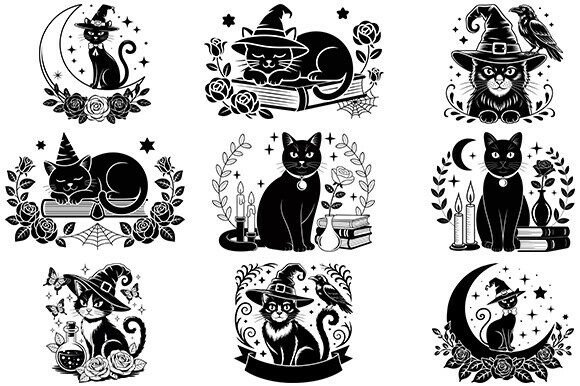
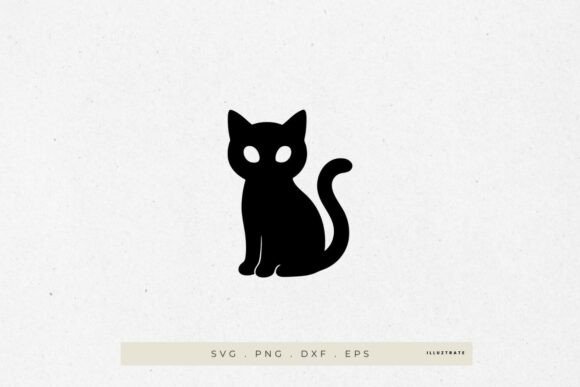
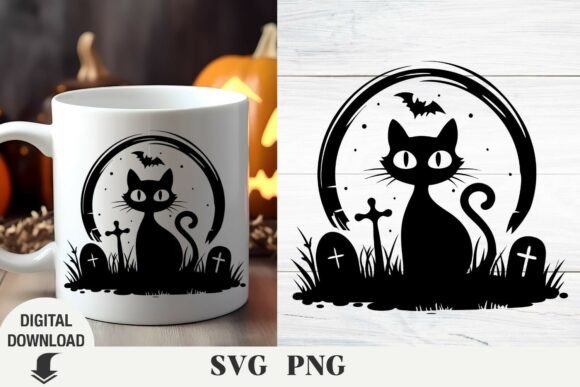
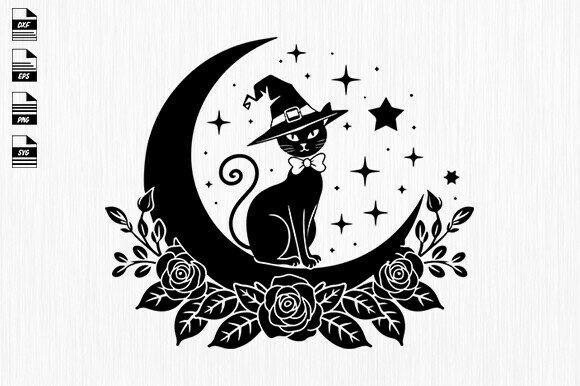
Opening Floral Black Cat SVG: Retro Halloween feels like flipping through a vintage craft zine—bold silhouettes, soft botanical curves, and that unmistakable mid-century Halloween charm. It’s not spooky-scary or cartoon-cute. It’s confident, slightly sly, and quietly sophisticated. The black cat anchors the composition with clean negative space around its form, while trailing florals (think daisies, stylized ferns, maybe a subtle crescent moon) wrap organically—not rigidly symmetrical, but balanced enough for confident placement on apparel or home goods. As a machine embroidery design, its visual personality leans into contrast and readability, which is promising—but only if translated well in thread.
Where It Shines: Real Projects That Feel Like Magic
I tested Floral Black Cat SVG: Retro Halloween as the focal point on a natural linen tote bag—no lining, no interfacing, just medium-weight fabric and tear-away stabilizer. The result? Crisp, confident, and instantly recognizable at arm’s length. That’s rare for holiday-themed embroidery files, which often drown in detail or flatten out when stitched. Here, the floral elements hold their shape without overloading the fill stitch density, and the cat’s outline reads cleanly even at 3.5 inches tall. It also worked beautifully on a charcoal crewneck sweatshirt—paired with matte black thread and light cutaway stabilizer, it looked boutique-level, not craft-fair-basic.
It’s equally strong for baby embroidery: think a tiny version (2.25") on a cotton-knit onesie collar or a muslin pillow cover for nursery decor. The retro motif avoids cliché while still feeling warmly seasonal—ideal for Etsy sellers offering personalized Halloween gifts that don’t scream “October 31st only.” And yes—it holds up in printable mockups. I dropped it into a flat-lay kitchen towel preview and got immediate positive feedback from two fellow small shop owners: “That reads as *design*, not clipart.”
Where to Pause—Fabric, Fit, and Functionality
This isn’t a one-size-fits-all embroidery file. On stretchy fabrics like cotton jersey tees, the outer floral lines can blur if stabilizer choice or hooping tension isn’t dialed in—especially near curved edges like sleeve hems or cap fronts. I wouldn’t recommend it for direct-embroidery-on-hats without first testing hoop clearance and stitch path flow; the cat’s tail curls close to the edge, and dense satin stitch in tight curves risks puckering on structured caps.
Thin fabrics (like lightweight rayon or voile) need extra care—those delicate floral tendrils translate best with reduced underlay and lighter thread weight. And on dark fabric? Don’t assume black thread will vanish. Try charcoal gray or deep plum for richer dimension. Also: avoid layering this design over seams or bulky pockets unless you’ve pre-tested how the hoop clears the seam allowance. It’s a flat-layout design, not built for compound curves.
Stitching Clarity = Customer Trust
Customers don’t see your digitizing notes—they see the finished product. With Floral Black Cat SVG: Retro Halloween, clarity comes from restraint. There’s no unnecessary interior detail (no whiskers, no pupil shading), which means fewer thread breaks, cleaner trims, and faster stitch-out times. That directly impacts your craft business bottom line: less downtime, more consistent output, fewer re-dos on custom apparel orders. It also elevates perceived value. A client receiving a sweatshirt with this embroidered front doesn’t think “Halloween graphic”—they think “intentional, curated, handmade product.” That distinction matters for Etsy sellers pricing above $45 or boutique owners building brand consistency.
Practical Notes Every Embroidery Designer Should Check
- Test on scrap first—especially if using textured fabric like terry cloth or bouclé. Those florals love smooth surfaces.
- Review stitch density visually before sending to machine. Dense fill areas should breathe; if they look muddy in your software preview, reduce density by 5–8%.
- Confirm hoop size compatibility. The full layout fits comfortably in a 5x7 hoop—but check whether your version includes alternate sizes or simplified versions for smaller hoops (not stated in the listing, so verify).
- Inspect small corners—the tip of the cat’s ear and the inner curve of the tail are tight. If your machine struggles with sharp turns, consider adding a slight roundness in your editing software.
- Try black-and-white mockups before finalizing thread colors. This design gains strength from tonal contrast—not just color contrast.
- Use proper stabilizer: medium tear-away for stable wovens, light cutaway for knits, and always baste first on lightweight or slippery fabrics.
- Licensing matters. Since this is a digital embroidery file sold as Graphics for Crafts, confirm whether commercial use (e.g., selling finished embroidered totes on Etsy) is permitted—and whether resale of the SVG itself is allowed. The listing says “INSTANT DOWNLOAD” but doesn’t specify license terms, so double-check before scaling your craft business.
Final Thought: Not Just a Holiday File—A Design Asset
Floral Black Cat SVG: Retro Halloween works because it respects both the craft and the customer. It doesn’t shout. It doesn’t overcomplicate. It gives you room to execute cleanly—and that’s what separates usable design assets from digital clutter. Whether you’re stitching a limited-run batch for a local boutique, prepping holiday gift sets for your Etsy shop, or building a cohesive line of embroidered kitchen towels, this file earns its place in your library. Just remember: great embroidery starts with thoughtful prep—not just pretty previews. Test it. Tweak it. Make it yours. Then let the cat do the rest.