Boho Black Cat SVG: A Designer’s Real-World Embroidery Review
As a designer who’s stitched hundreds of custom pieces—from boutique baby onesies to Etsy best-selling tote bags—I opened Cat Svg, Boho Cat Svg, Black Cat Svg Hal expecting charm, but what I found was something more practical: a quietly versatile design that earns its place in real embroidery workflows. Let’s talk about how it actually behaves—not just as a pretty file, but as a working machine embroidery design on fabric.
First Impressions: Mood, Shape, and Embroidery Readiness
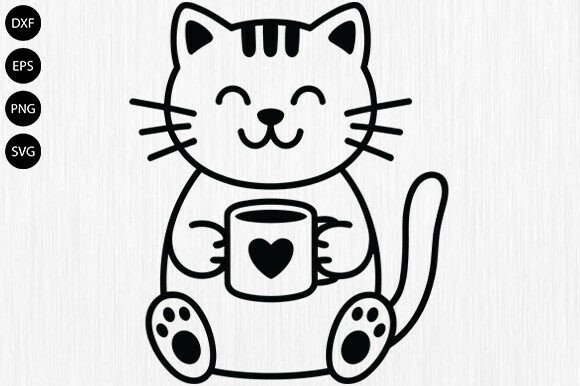
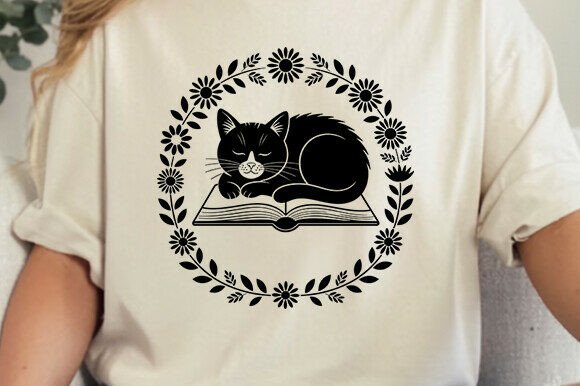
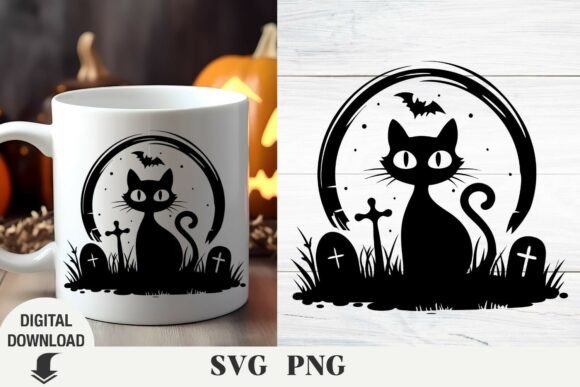
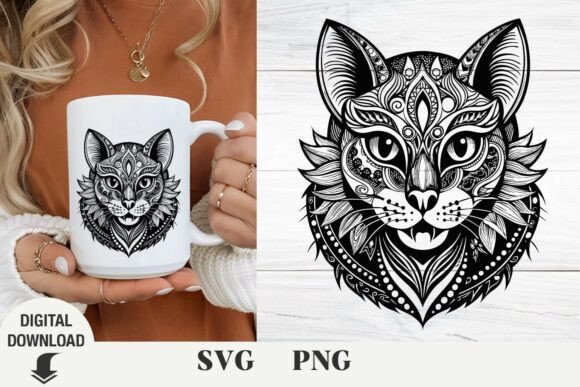
The moment you preview Cat Svg, Boho Cat Svg, Black Cat Svg Hal, you feel the boho ease—soft curves, a relaxed silhouette, subtle asymmetry in the ears and tail. It’s not overly detailed, which is a strength: no tiny whiskers or micro-paws begging to vanish in satin stitch. The outline is clean, the negative space generous, and the proportions sit comfortably at 3–4 inches wide—ideal for a sweatshirt chest logo, a pillow cover focal point, or an embroidered patch. It doesn’t scream “trendy.” It whispers “thoughtful,” and that’s exactly what handmade customers respond to.
Real Project Test: A Custom Embroidered Tote for a Local Boutique
I used Cat Svg, Boho Cat Svg, Black Cat Svg Hal on a natural canvas tote—medium-weight, slightly textured, no stretch. Paired with matte black thread on off-white fabric, the result was crisp, confident, and quietly sophisticated. No fill-stitch bleeding. No thread nesting in the tail curve. The design held its shape across the slight curve of the tote’s gusset, thanks to its balanced weight distribution. Customers noticed it—not because it shouted, but because it felt *intentional*. That’s the difference between decoration and design.
Where It Shines (and Where to Pause)
Cat Svg, Boho Cat Svg, Black Cat Svg Hal works beautifully on:
- Custom apparel: Sweatshirts, crewnecks, and relaxed-fit tees—especially when placed center-chest or upper-back.
- Tote bag design and kitchen towel embroidery—its open layout avoids visual heaviness on utilitarian items.
- Baby embroidery and nursery decor: Gentle enough for onesies, burp cloths, or linen wall hangings—no sharp angles or aggressive detail.
- Holiday embroidery and wedding gifts: Add a tiny crescent moon or floral sprig beside it for seasonal warmth—without overcomplicating the core asset.
- Embroidered patch production: Clean edges mean easy peel-and-stick backing or sew-on stability.
But be thoughtful with:
- Stretchy fabric like knits—use cutaway stabilizer and test tension first. The cat’s flowing lines can blur if the ground shifts.
- Thin fabric (e.g., lightweight rayon or silk-blend scarves): Reduce stitch density manually or opt for lighter fill patterns—this isn’t a dense-fill design by default, but your machine settings still matter.
- Curved surfaces like caps: Hoop carefully—the ear tips and tail end may need minor digitizing tweaks for optimal stitch laydown.
- Dark fabric: The design’s elegance relies on contrast. On charcoal or navy, use bright white or metallic thread—not just for visibility, but to preserve its boho lightness.
What It Does for Your Craft Business
For Etsy sellers, small shop products, and creative entrepreneurs, Cat Svg, Boho Cat Svg, Black Cat Svg Hal isn’t just another graphic—it’s a brand-aligned design asset. It reads handmade without looking amateurish. It scales well from a 2-inch pocket detail to a 5-inch apron centerpiece. And because it avoids trendy clutter (no glitter fonts, no forced whimsy), it stays relevant across seasons—meaning less inventory churn and more repeat customer trust.
Customers don’t buy “a black cat.” They buy the feeling of calm curiosity, quiet confidence, or gentle magic. This design delivers that tone consistently—whether stitched on a linen tea towel for a bridal shower gift or a structured cotton cap for a small-batch streetwear line.
Practical Embroidery Designer Notes
Before stitching your first finished product:
- Test on scrap fabric—especially if using textured or dark material. Watch how the tail taper and ear curves stitch out.
- Check thread color contrast early. This design thrives on clarity, not camouflage.
- Review stitch density in your embroidery software. Even simple outlines benefit from adjusted underlay on unstable fabrics.
- Confirm hoop size compatibility. At standard scale, it fits comfortably in a 4x4 hoop—but verify before resizing for a cap or cuff.
- Inspect small details in both zoomed and thumbnail views. Does the eye area read cleanly at 2 inches? Does the tail flow without jagged vector points?
- Test in black-and-white mockups. If it holds presence without color, it’ll hold up in real life.
- Use proper stabilizer: Medium tear-away for stable wovens; cutaway for knits or lightweight linens.
- Confirm licensing before selling finished items. The listing says files are for personal and commercial use—including cups—but always double-check scope for apparel or digital resale.
Final Thought: Less Is Truly More Here
Cat Svg, Boho Cat Svg, Black Cat Svg Hal doesn’t try to do everything—and that’s why it does so much well. In a landscape crowded with over-digitized, over-embellished graphics, this digital embroidery file trusts the craftsperson. It gives you room to choose thread, fabric, and placement with intention. It supports your voice instead of competing with it. Whether you’re building a craft business, stocking a local boutique, or creating personalized gifts for friends, this design feels like a reliable collaborator—not just a download.
If you’re evaluating Cat Svg, Boho Cat Svg, Black Cat Svg Hal for your next embroidery project, ask yourself: Does it reflect the care my customers expect? Does it leave space for my skill to shine? Does it look like it belongs—not just on screen, but on fabric, in hand, in life? For me, the answer was yes. Repeatedly.