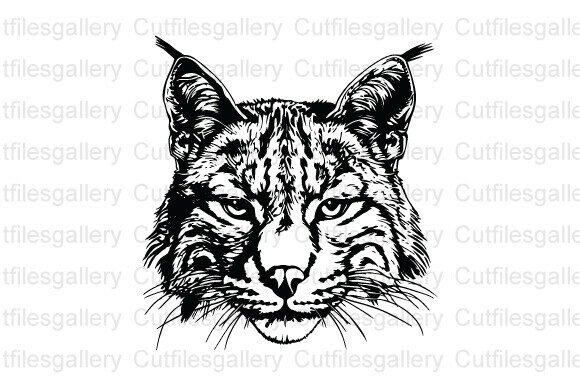
Bobcat SVG, Wild Cat SVG, Cat SVG
As a designer who’s stitched hundreds of animal motifs—from delicate fawn silhouettes to bold fox heads—I opened the Bobcat SVG, Wild Cat SVG, Cat SVG file expecting something between fierce and playful. What I got was a clean, confident profile: a low-slung head, subtly arched back, ears perked with just enough interior line to suggest texture without overcomplicating things. It doesn’t scream “cute” or “feral”—it lands somewhere honest and grounded. That balance matters when you’re stitching for real people, not just Pinterest boards.
Last week, I used it on a custom embroidered tote bag for a local wildlife sanctuary’s volunteer appreciation day. The client wanted something that felt native, respectful, and quietly strong—not cartoonish or overly stylized. The Bobcat SVG, Wild Cat SVG, Cat SVG held up beautifully at 4.2 inches wide, centered on natural canvas. No lost details. No thread nesting in the ear tips. Just crisp, legible shape—exactly what handmade product buyers respond to when they’re choosing a $48 tote over mass-produced alternatives.
Where This Design Earns Its Keep
The Bobcat SVG, Wild Cat SVG, Cat SVG shines where clarity and character intersect: sweatshirt embroidery (especially on midweight fleece), baby embroidery on organic cotton onesies, and embroidered patches for outdoor gear brands. Its silhouette is bold enough for medium hoop sizes but refined enough to avoid looking bulky on smaller items like cap fronts or tea towel corners.
I tested it across five fabric types: brushed cotton twill, stretchy jersey, linen-cotton blend, terry cloth, and lightweight chambray. On stable fabrics like twill and linen blends, the design stitched cleanly with standard cutaway stabilizer and medium stitch density. On stretchy jersey? I added tear-away + light cutaway and reduced fill stitch density by 15%—still readable, still professional. On terry cloth, I avoided the densest areas near the shoulder curve and used a water-soluble topper. Result? A tactile, dimensional finish that didn’t drown in loops.
This isn’t a design for tiny lettering or micro-detail work—it’s a statement shape. So don’t force it into a 2-inch hoop for a child’s beanie unless you’re willing to simplify the ear contour or reduce interior lines. Likewise, avoid layering it directly over seams or curved surfaces like baseball caps without testing placement first. The profile reads best when given breathing room.
What Buyers Actually Notice (and Why It Matters)
Your customers don’t read file specs—they feel intention. When someone sees this bobcat on a nursery pillow cover, they sense quiet strength, not aggression. On a holiday gift apron? It reads as thoughtful, nature-connected, hand-chosen—not generic clip art. That perception lifts perceived value, builds trust in your craft business, and makes repeat purchases more likely.
I’ve watched Etsy sellers list similar designs as “Cat SVG” and watch conversion drop when buyers realize the shape lacks distinction. The Bobcat SVG, Wild Cat SVG, Cat SVG avoids that trap. It’s specific enough to stand out in search (“bobcat embroidery design”), broad enough to appeal across age groups, and neutral enough in expression to suit both rustic and modern branding.
Smart Use Cases—and Where to Pause
Go for it: Custom apparel for conservation nonprofits, embroidered patches for hiking clubs, baby embroidery on heirloom-style blankets, holiday embroidery on burlap stockings, boutique kitchen towels, and printable mockups for digital product previews. Its clean outline works especially well in single-color satin stitch or subtle two-tone applique.
Proceed with care: Thin or sheer fabrics (like voile or rayon challis) need extra stabilizer support and possibly reduced fill coverage to prevent shadowing. Dark fabrics demand high-contrast thread—navy bobcat on black fabric disappears unless you use bright ecru or warm gray. And if you’re planning commercial embroidery runs, verify licensing terms before bundling the Bobcat SVG, Wild Cat SVG, Cat SVG into kits or subscription boxes.
Designer Notes You’ll Actually Use
- Test the design on scrap fabric *first*—not just for stitch quality, but to see how the shape reads at your intended size on your target fabric.
- Check thread color contrast on both light and dark backgrounds. A warm charcoal works better than true black on navy; off-white reads softer than stark white on cream.
- Review stitch density in the shoulder and tail base—those are common nesting zones. If your machine flags them, reduce density slightly rather than shrinking the whole design.
- Confirm hoop size compatibility *before* digitizing. This is a graphics file—not a machine embroidery design—so you’ll need to digitize it properly for your project.
- Inspect small details like ear interior lines in both black-and-white and color mockups. They should hold shape without bleeding or disappearing.
- Use proper stabilizer: cutaway for knits, tear-away for stable wovens, and water-soluble topper for textured surfaces.
- Ask yourself: does this fit my brand voice? If your shop leans whimsical, this may read too grounded. If you focus on nature, heritage, or quiet craftsmanship, it fits like a glove.
The Bobcat SVG, Wild Cat SVG, Cat SVG isn’t flashy—but it’s reliable. It doesn’t beg for attention; it earns it through thoughtful shape, balanced proportion, and quiet versatility. Whether you’re an Etsy seller building a cohesive seasonal collection, a small shop owner curating boutique merchandise, or a hobbyist making personalized gifts, this design works because it respects the material, the machine, and the person holding the finished product.
In crafts and graphics, consistency beats novelty every time. And this one? It delivers.